

Why UV Protection for Your Eyes Matters Year-Round
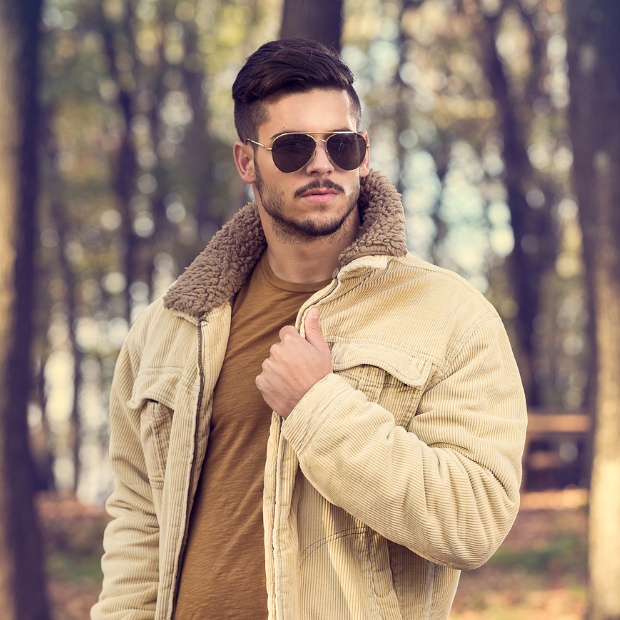
Cloud cover and cold weather do not reduce exposure the way most people assume
Most people think of sunglasses as warm weather gear. But ultraviolet light reaches your eyes on overcast days, in winter, and any time you are outdoors.
Unlike your skin, your eyes give you no warning sign after too much exposure. The effects accumulate quietly over years.
UV Doesn’t Follow the Seasons
A significant amount of UV passes straight through cloud cover, so a gray day is not the protection it feels like.
Snow, water, sand, and pavement all reflect UV back upward, which means exposure comes from more directions than you might expect. Snow is an especially strong reflector.
How UV Affects the Eye Over Time
Long-term exposure is associated with several changes, including:
- Earlier development of cataracts
- Growths on the surface of the eye
- Damage to the delicate skin of the eyelids
- A painful temporary burn to the cornea after intense short-term exposure
What to Look for in Sunglasses
The single most important detail is a label indicating 100 percent UVA and UVB protection, sometimes written as UV400.
Tint darkness is not the same as protection. In fact, dark lenses without UV blocking can be worse than none at all, because the tint causes your pupils to open wider and let more UV in. Polarization is a separate feature that reduces glare and does not by itself indicate UV protection.
Coverage Matters Too
Light reaches your eyes from the sides and from above, so larger or wraparound frames offer meaningfully more protection than small lenses.
A brimmed hat adds another layer, especially for the eyelid area.
Options Beyond Sunglasses
UV protection can be built into clear everyday lenses, which covers you during ordinary time outdoors when you would not think to reach for sunglasses.
Photochromic lenses that darken outdoors are another option. Some contact lenses include UV blocking, though they only cover the part of the eye beneath the lens, so sunglasses are still worth wearing.
Children Need It Most
Kids tend to spend more time outdoors than adults, and a young lens transmits more UV to the back of the eye.
Because the effects are cumulative, protection early on has a long payoff.
Make It Part of Your Everyday Eyewear
Protecting your eyes from UV does not require anything complicated, just the right lenses worn consistently.
To talk through the options for your prescription, book an appointment at Packerland Eyecare.